Bill of lading, certificate of origin, and commercial invoice explained
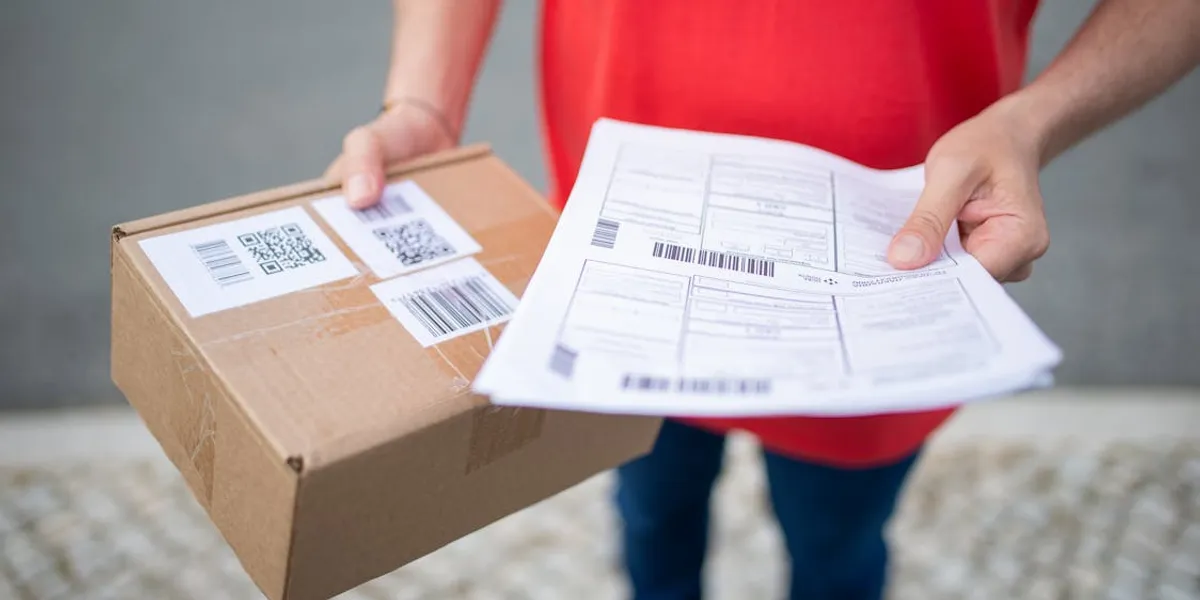
Your first export shipment is ready. The buyer is waiting. But before anything moves, you need three documents that most new exporters have heard of but rarely understand fully: the bill of lading, the certificate of origin, and the commercial invoice.
Get these right, and your shipment clears customs cleanly, your buyer receives the goods, and payment arrives without delays. Get them wrong, and your cargo can sit at a port, your buyer's customs office can reject the shipment, and your bank can delay releasing funds.
This guide explains what each document is, who issues it, when you need it, and what happens when something goes wrong.
Why these three documents matter more than the rest

Indian exporters deal with several documents on every shipment — the shipping bill, packing list, IEC code, and others. But the commercial invoice, certificate of origin, and bill of lading form the core set that every party in the transaction relies on.
Your buyer's customs authority uses them to clear the goods. Your bank uses them to process foreign exchange. Trade finance instruments like letters of credit are built around them. If any of these three is incorrect or missing, the entire export cycle stalls.
Think of them as a chain. The commercial invoice establishes what was sold and at what price. The certificate of origin confirms the place of origin of the goods. The bill of lading proves the goods were handed over to the carrier.
The commercial invoice
What it is
The commercial invoice is the primary financial document in any export transaction. It is the formal bill you raise to your buyer for the goods you are shipping. It also serves as the basis for customs valuation in the destination country, meaning customs authorities use it to calculate applicable duties and taxes.
Unlike the proforma invoice you send when quoting or confirming an order, the commercial invoice is issued once the goods are ready and the shipment is confirmed. It is the final, binding financial record of the sale.
Who issues it
You, the exporter, prepare and issue the commercial invoice. It is not a government document and carries no official fee. However, it must contain specific information to be accepted by customs and your bank.
For Indian exporters in 2026, the invoice should include your GSTIN, IEC code, the full 8-digit ITC-HS code for each product, the buyer's full name and address, the invoice currency, the exchange rate used, and a clear declaration if the shipment is under a Letter of Undertaking (LUT).
When you need it
The commercial invoice must be prepared before you approach customs or file the shipping bill. It feeds into almost every other document in the export process — your freight forwarder references it, your shipping bill is built from it, and your bank checks it when processing inward remittances.
What happens if it is wrong
Even a small mismatch between your commercial invoice and the shipping bill or bill of lading can trigger a customs query. Incorrect HS codes can result in incorrect duty assessments at the destination. If you are operating under a letter of credit, any discrepancy between the invoice and the LC terms will lead to rejection by your buyer's bank.
The certificate of origin
What it is
The certificate of origin is the document that officially certifies the country of origin of your goods. It serves as proof of nationality for your products in international trade. When your buyer imports your goods, their customs authority uses the certificate of origin to determine which tariff rates apply and whether any preferential duty treatment is available.
There are two types. A non-preferential certificate of origin is issued for general trade and confirms that the goods originate from India. A preferential certificate of origin is issued under a specific Free Trade Agreement and allows your buyer to claim reduced or zero customs duty at the destination. India has FTAs with countries including those in ASEAN, Sri Lanka, South Korea, Japan, and the UAE, among others.
Who issues it
Certificates of origin in India are issued only by agencies authorised by DGFT — including Chambers of Commerce and Export Promotion Councils listed in DGFT's Appendices 2B, 2C, 2D, and 2E. You cannot self-certify unless you are specifically approved as an Authorised Exporter under DGFT's scheme.
As of April 2026, DGFT Public Notice No. 01/2026-27 mandates that all authorised agencies issue certificates of origin exclusively through the designated digital platform at trade.gov.in or any other platform designated by DGFT from time to time. Manual issuance outside this platform is prohibited and can result in the revocation of the agency's authorisation.
When you need it
Not every shipment requires a certificate of origin, but most buyers will ask for one. It is always required when exporting under an FTA so the buyer can claim the preferential tariff benefit. Many importing countries also require it for standard customs clearance. Check your buyer's country requirements before skipping this step.
Apply for the certificate after your goods are ready and your commercial invoice is finalised. The details on the certificate must exactly match those on the invoice, and the shipping bill — product description, HS code, quantity, value, and buyer and seller details must all be consistent.
What happens if it is wrong or missing
If your buyer needs the certificate to claim preferential duties and it is missing, they will either pay the full duty rate or delay clearance until the document is provided. Either situation creates friction in the relationship. An incorrect certificate — particularly one whose details do not match the invoice — can be entirely rejected by the importing country's customs authority.
Understanding how payment terms interact with your documentation is important for every shipment. When you use terms like DP or DA, the bill of lading and commercial invoice are the documents your bank controls on your behalf. Learn how TT, DP, and DA payment terms work for Indian exporters to understand exactly when each document changes hands.
The bill of lading
What it is
The bill of lading is the most legally complex of the three documents. It serves three purposes simultaneously: it is a receipt from the carrier confirming they have taken possession of your goods; it is a contract between you and the carrier defining the terms of transportation; and when issued in negotiable form, it is a document of title that represents legal ownership of the goods in transit.
That third function is what makes the bill of lading powerful and also what makes errors so costly. A negotiable bill of lading can be used in letters of credit, allowing a bank to hold it as collateral and release payment to you before the buyer receives the goods. An endorsement transfers ownership, which is how commodity trade finance works globally.
Who issues it
The shipping line or carrier issues the bill of lading once your goods are loaded onto the vessel. If you are using a freight forwarder for a less-than-container-load shipment, the forwarder issues a House Bill of Lading to you. Both the House BL and the Master BL from the carrier may be required, depending on your payment terms and destination requirements.
India handles tens of millions of bills of lading annually. The Bills of Lading Act, 2025, effective from July 2025, modernises India's bill of lading law and provides a legal framework in line with international standards, including support for electronic bills of lading. Exporters who adopt eBLs benefit from faster letter of credit cycles and reduced courier delays at destination ports.
When you need it
The bill of lading is issued after the goods are loaded. For sea freight exports, it is mandatory. You submit it to your bank along with the commercial invoice when negotiating payment under a letter of credit, and your buyer needs it to take delivery at the destination port.
A negotiable bill of lading requires the original document before cargo is released. Carriers typically issue three originals. Handle them carefully and send them only via a tracked courier or through your bank under an LC transaction.
What happens if it is wrong or missing
A "claused" bill of lading — one where the carrier notes damage or discrepancies in the cargo — will cause your bank to reject it under most letters of credit. Banks require a "clean" bill of lading. Any mismatch between the bill of lading and the commercial invoice — such as differences in product description, quantity, or port details — is among the most common reasons for LC rejection.
Never allow cargo to be released to your buyer without confirming the original bill of lading has been properly handled. Once all originals are lost, recovering the cargo requires a court order or a bank indemnity, which can be worth up to twice the cargo value.
Export documentation does not end at shipment. The RBI's EDPMS system links your shipping bill to your incoming payment. Any delay or mismatch at the document stage can create unresolved entries in EDPMS that eventually become compliance issues. Read our guide on EDPMS and how it affects Indian exporters to understand how your shipping documents connect to payment realisation and regulatory reporting.
How these three documents connect to getting paid
Clean documentation is not just a compliance checkbox. It is the direct pathway to faster payment.
When you invoice a buyer abroad, your bank needs these three documents to process the inward remittance correctly, comply with FEMA regulations, and eventually generate your eBRC so you can claim RoDTEP benefits and GST refunds. A single inconsistency — different product descriptions across documents, a wrong HS code, or a certificate of origin that does not match the invoice number — can delay the payment cycle by days or weeks.
Exporters working under letters of credit are especially exposed. If your bill of lading or commercial invoice deviates from the LC terms even slightly, the issuing bank will raise a discrepancy. Resolving it requires going back to your buyer for a waiver, which delays payment and creates friction.
This is where having the right account to receive international payments makes a practical difference. Winvesta's Global Collections Account (GCA) gives Indian exporters a dedicated multi-currency account to receive USD, GBP, EUR, and other currencies from international buyers — directly, without routing delays. Once your documentation is clean and payment arrives, Winvesta issues your FIRA automatically, so your compliance trail is ready without you having to chase your bank. Open your Winvesta GCA →
A quick checklist before every shipment

Before each export, confirm the following across your three core documents.
Commercial invoice: IEC and GSTIN present, correct 8-digit ITC-HS code per item, invoice currency stated, and LUT declaration included if applicable.
Certificate of origin: Applied on trade.gov.in, product details and HS codes match the invoice exactly, and the correct type — preferential or non-preferential — is requested for your destination country.
Bill of lading: Consignee details match your payment terms, product description is consistent with the invoice, port details are correct, and the document is marked clean with no carrier endorsements for damage.
Getting all three right on the first attempt is the fastest way to keep your export payment cycle moving without delays.
Disclaimer: The information provided in this blog is for general informational purposes only and does not constitute financial or legal advice. Winvesta makes no representations or warranties about the accuracy or suitability of the content and recommends consulting a professional before making any financial decisions.
Get paid globally. Keep more of it.
No FX markups. No GST. Funds in 1 day.

Your first export shipment is ready. The buyer is waiting. But before anything moves, you need three documents that most new exporters have heard of but rarely understand fully: the bill of lading, the certificate of origin, and the commercial invoice.
Get these right, and your shipment clears customs cleanly, your buyer receives the goods, and payment arrives without delays. Get them wrong, and your cargo can sit at a port, your buyer's customs office can reject the shipment, and your bank can delay releasing funds.
This guide explains what each document is, who issues it, when you need it, and what happens when something goes wrong.
Why these three documents matter more than the rest
Indian exporters deal with several documents on every shipment — the shipping bill, packing list, IEC code, and others. But the commercial invoice, certificate of origin, and bill of lading form the core set that every party in the transaction relies on.
Your buyer's customs authority uses them to clear the goods. Your bank uses them to process foreign exchange. Trade finance instruments like letters of credit are built around them. If any of these three is incorrect or missing, the entire export cycle stalls.
Think of them as a chain. The commercial invoice establishes what was sold and at what price. The certificate of origin confirms the place of origin of the goods. The bill of lading proves the goods were handed over to the carrier.
The commercial invoice
What it is
The commercial invoice is the primary financial document in any export transaction. It is the formal bill you raise to your buyer for the goods you are shipping. It also serves as the basis for customs valuation in the destination country, meaning customs authorities use it to calculate applicable duties and taxes.
Unlike the proforma invoice you send when quoting or confirming an order, the commercial invoice is issued once the goods are ready and the shipment is confirmed. It is the final, binding financial record of the sale.
Who issues it
You, the exporter, prepare and issue the commercial invoice. It is not a government document and carries no official fee. However, it must contain specific information to be accepted by customs and your bank.
For Indian exporters in 2026, the invoice should include your GSTIN, IEC code, the full 8-digit ITC-HS code for each product, the buyer's full name and address, the invoice currency, the exchange rate used, and a clear declaration if the shipment is under a Letter of Undertaking (LUT).
When you need it
The commercial invoice must be prepared before you approach customs or file the shipping bill. It feeds into almost every other document in the export process — your freight forwarder references it, your shipping bill is built from it, and your bank checks it when processing inward remittances.
What happens if it is wrong
Even a small mismatch between your commercial invoice and the shipping bill or bill of lading can trigger a customs query. Incorrect HS codes can result in incorrect duty assessments at the destination. If you are operating under a letter of credit, any discrepancy between the invoice and the LC terms will lead to rejection by your buyer's bank.
The certificate of origin
What it is
The certificate of origin is the document that officially certifies the country of origin of your goods. It serves as proof of nationality for your products in international trade. When your buyer imports your goods, their customs authority uses the certificate of origin to determine which tariff rates apply and whether any preferential duty treatment is available.
There are two types. A non-preferential certificate of origin is issued for general trade and confirms that the goods originate from India. A preferential certificate of origin is issued under a specific Free Trade Agreement and allows your buyer to claim reduced or zero customs duty at the destination. India has FTAs with countries including those in ASEAN, Sri Lanka, South Korea, Japan, and the UAE, among others.
Who issues it
Certificates of origin in India are issued only by agencies authorised by DGFT — including Chambers of Commerce and Export Promotion Councils listed in DGFT's Appendices 2B, 2C, 2D, and 2E. You cannot self-certify unless you are specifically approved as an Authorised Exporter under DGFT's scheme.
As of April 2026, DGFT Public Notice No. 01/2026-27 mandates that all authorised agencies issue certificates of origin exclusively through the designated digital platform at trade.gov.in or any other platform designated by DGFT from time to time. Manual issuance outside this platform is prohibited and can result in the revocation of the agency's authorisation.
When you need it
Not every shipment requires a certificate of origin, but most buyers will ask for one. It is always required when exporting under an FTA so the buyer can claim the preferential tariff benefit. Many importing countries also require it for standard customs clearance. Check your buyer's country requirements before skipping this step.
Apply for the certificate after your goods are ready and your commercial invoice is finalised. The details on the certificate must exactly match those on the invoice, and the shipping bill — product description, HS code, quantity, value, and buyer and seller details must all be consistent.
What happens if it is wrong or missing
If your buyer needs the certificate to claim preferential duties and it is missing, they will either pay the full duty rate or delay clearance until the document is provided. Either situation creates friction in the relationship. An incorrect certificate — particularly one whose details do not match the invoice — can be entirely rejected by the importing country's customs authority.
Understanding how payment terms interact with your documentation is important for every shipment. When you use terms like DP or DA, the bill of lading and commercial invoice are the documents your bank controls on your behalf. Learn how TT, DP, and DA payment terms work for Indian exporters to understand exactly when each document changes hands.
The bill of lading
What it is
The bill of lading is the most legally complex of the three documents. It serves three purposes simultaneously: it is a receipt from the carrier confirming they have taken possession of your goods; it is a contract between you and the carrier defining the terms of transportation; and when issued in negotiable form, it is a document of title that represents legal ownership of the goods in transit.
That third function is what makes the bill of lading powerful and also what makes errors so costly. A negotiable bill of lading can be used in letters of credit, allowing a bank to hold it as collateral and release payment to you before the buyer receives the goods. An endorsement transfers ownership, which is how commodity trade finance works globally.
Who issues it
The shipping line or carrier issues the bill of lading once your goods are loaded onto the vessel. If you are using a freight forwarder for a less-than-container-load shipment, the forwarder issues a House Bill of Lading to you. Both the House BL and the Master BL from the carrier may be required, depending on your payment terms and destination requirements.
India handles tens of millions of bills of lading annually. The Bills of Lading Act, 2025, effective from July 2025, modernises India's bill of lading law and provides a legal framework in line with international standards, including support for electronic bills of lading. Exporters who adopt eBLs benefit from faster letter of credit cycles and reduced courier delays at destination ports.
When you need it
The bill of lading is issued after the goods are loaded. For sea freight exports, it is mandatory. You submit it to your bank along with the commercial invoice when negotiating payment under a letter of credit, and your buyer needs it to take delivery at the destination port.
A negotiable bill of lading requires the original document before cargo is released. Carriers typically issue three originals. Handle them carefully and send them only via a tracked courier or through your bank under an LC transaction.
What happens if it is wrong or missing
A "claused" bill of lading — one where the carrier notes damage or discrepancies in the cargo — will cause your bank to reject it under most letters of credit. Banks require a "clean" bill of lading. Any mismatch between the bill of lading and the commercial invoice — such as differences in product description, quantity, or port details — is among the most common reasons for LC rejection.
Never allow cargo to be released to your buyer without confirming the original bill of lading has been properly handled. Once all originals are lost, recovering the cargo requires a court order or a bank indemnity, which can be worth up to twice the cargo value.
Export documentation does not end at shipment. The RBI's EDPMS system links your shipping bill to your incoming payment. Any delay or mismatch at the document stage can create unresolved entries in EDPMS that eventually become compliance issues. Read our guide on EDPMS and how it affects Indian exporters to understand how your shipping documents connect to payment realisation and regulatory reporting.
How these three documents connect to getting paid
Clean documentation is not just a compliance checkbox. It is the direct pathway to faster payment.
When you invoice a buyer abroad, your bank needs these three documents to process the inward remittance correctly, comply with FEMA regulations, and eventually generate your eBRC so you can claim RoDTEP benefits and GST refunds. A single inconsistency — different product descriptions across documents, a wrong HS code, or a certificate of origin that does not match the invoice number — can delay the payment cycle by days or weeks.
Exporters working under letters of credit are especially exposed. If your bill of lading or commercial invoice deviates from the LC terms even slightly, the issuing bank will raise a discrepancy. Resolving it requires going back to your buyer for a waiver, which delays payment and creates friction.
This is where having the right account to receive international payments makes a practical difference. Winvesta's Global Collections Account (GCA) gives Indian exporters a dedicated multi-currency account to receive USD, GBP, EUR, and other currencies from international buyers — directly, without routing delays. Once your documentation is clean and payment arrives, Winvesta issues your FIRA automatically, so your compliance trail is ready without you having to chase your bank. Open your Winvesta GCA →
A quick checklist before every shipment
Before each export, confirm the following across your three core documents.
Commercial invoice: IEC and GSTIN present, correct 8-digit ITC-HS code per item, invoice currency stated, and LUT declaration included if applicable.
Certificate of origin: Applied on trade.gov.in, product details and HS codes match the invoice exactly, and the correct type — preferential or non-preferential — is requested for your destination country.
Bill of lading: Consignee details match your payment terms, product description is consistent with the invoice, port details are correct, and the document is marked clean with no carrier endorsements for damage.
Getting all three right on the first attempt is the fastest way to keep your export payment cycle moving without delays.
Disclaimer: The information provided in this blog is for general informational purposes only and does not constitute financial or legal advice. Winvesta makes no representations or warranties about the accuracy or suitability of the content and recommends consulting a professional before making any financial decisions.
Get paid globally. Keep more of it.
No FX markups. No GST. Funds in 1 day.


