AI bubble fears spark new derivatives market as tech giants ramp up spending
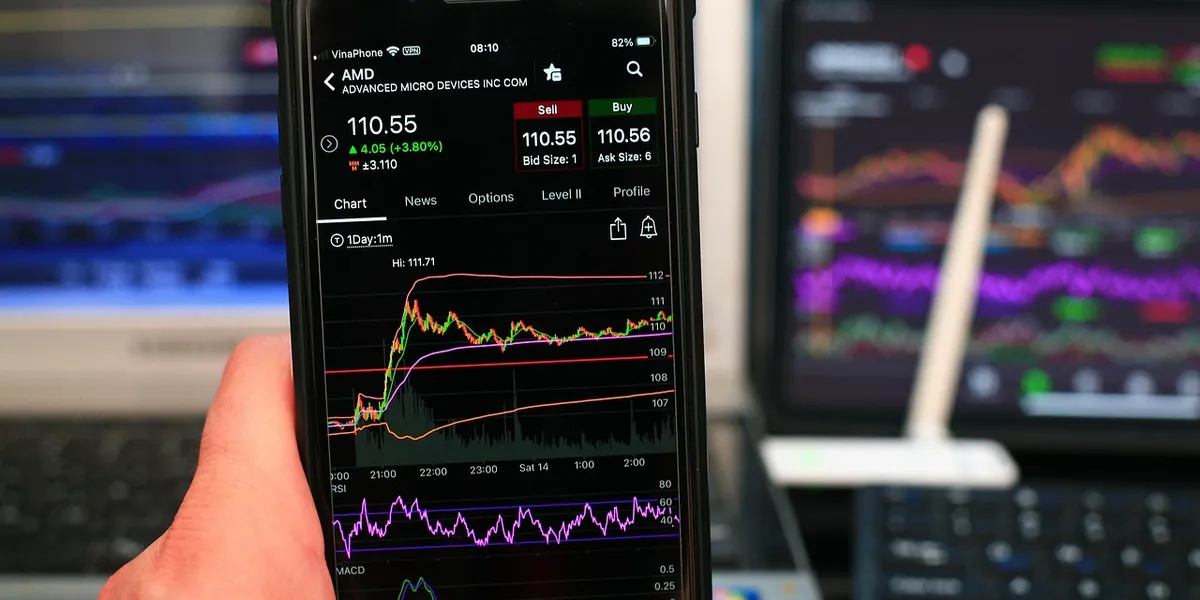
The artificial intelligence arms race has reached a curious inflexion point where Wall Street's anxiety about the biggest technology companies is now profitable enough to trade. Debt investors are increasingly concerned that Microsoft, Alphabet, and other tech titans will borrow themselves into trouble while chasing the holy grail of artificial intelligence dominance, and they're creating entirely new financial instruments to hedge against that risk. This emerging derivatives market signals something more troubling than typical market pessimism—it suggests sophisticated investors believe the AI spending spree could end badly for companies that collectively represent trillions of dollars in American retirement accounts and investment portfolios.
The numbers behind this worry are staggering. Technology companies have announced capital expenditure plans exceeding 200 billion dollars for 2026 alone, with the lion's share devoted to AI infrastructure—data centres, specialised chips, and computing power. Microsoft has pledged approximately $0 billion in investments this year, whilst Alphabet and Amazon aren't far behind. These commitments dwarf historical spending patterns, even during the frenzied dot-com era, and they are increasingly funded through corporate debt markets rather than cash reserves. Investment-grade tech debt issuance surged 47 per cent in the final quarter of 2025 compared to the previous year, according to bond market data, marking the fastest pace of borrowing since 2020.

For retail investors holding shares in MSFT, GOOGL, NVDA, or TSLA—companies that dominate index funds and 401(k) portfolios across America—this development matters enormously. These aren't speculative startups gambling with venture capital; these are trillion-dollar corporations that underpin the S&P 500's performance. When Apple trades at a price-to-earnings ratio of 31 and Microsoft hovers near 35, investors are pricing in extraordinary future growth driven largely by AI monetisation. If that growth fails to materialise whilst debt burdens mount, the correction could ripple through portfolios far beyond the technology sector.
The Birth of a Hedge Against Hubris
The derivatives market emerging around AI bubble fears operates in the fixed-income world, where credit default swaps and options on corporate bonds allow investors to bet against—or hedge against—deteriorating creditworthiness. What makes this development particularly noteworthy is the rapid pace at which these instruments have become liquid. Trading volumes in credit default swaps tied to major technology issuers jumped 34 per cent in January 2026 compared to the monthly average from 2025, suggesting institutional money managers are actively positioning for potential trouble.
"We're seeing pension funds and insurance companies quietly adding downside protection on tech credit exposure they couldn't imagine needing two years ago," says Marcus Wellington, Senior Portfolio Manager at Ashford Capital Management. "The spending commitments are so enormous relative to proven revenue streams from AI that prudent risk management demands hedging strategies."
This trend is accelerating rapidly: trading in credit default swaps tied to major tech issuers such as Alphabet and Meta has surged, with one portfolio manager at PGIM Fixed Income questioning whether investors really want to be directly exposed to hyperscaler debt given the scale of borrowing ahead.

This hedging activity reflects a fundamental tension in today's market. On the one hand, artificial intelligence is a transformative technology with the potential to generate trillions in economic value—no one disputes that. On the other hand, the timeline for monetisation remains uncertain, and the capital intensity of the AI race has already exceeded even optimistic projections from eighteen months ago. NVIDIA's share price, which quintupled between 2023 and early 2025, has experienced increased volatility as investors grapple with whether demand for AI chips can justify valuations that price in perpetual exponential growth.
The derivatives market essentially allows investors to separate their views on AI's long-term potential from their concerns about near-term financial stress. A portfolio manager might remain bullish on artificial intelligence whilst simultaneously hedging against the risk that Microsoft's debt-to-equity ratio climbs too quickly, or that Alphabet's free cash flow gets squeezed by relentless capital expenditures. This nuanced positioning was largely unnecessary during previous technology booms because companies weren't leveraging their balance sheets to nearly the same degree.
Portfolio Implications Beyond the Magnificent Seven
The ripple effects of AI bubble concerns extend well beyond the household names dominating headlines. Smaller technology companies without the balance sheet strength of Microsoft or Apple face tougher borrowing conditions as credit spreads widen across the sector. Meanwhile, traditional industries that invest heavily in AI integration—financial services, healthcare, and manufacturing—may find their own credit costs rising if lenders become more cautious about AI-related capital expenditures more generally.
"What worries me most is the binary nature of outcomes we're pricing in," notes Jennifer Kowalski, Chief Investment Strategist at Meridian Wealth Advisors. "Either these investments generate transformative returns that justify everything, or we're looking at impaired balance sheets across companies representing 30 percent of the S&P 500's market capitalisation. There's not much middle ground being contemplated."
Research from RBC Wealth Management underscores this concentration risk, noting that the top 10 stocks now account for nearly 41% of the S&P 500's total weight—a level that has more than doubled in just a decade and leaves investors with what "appears as broad diversification" but "increasingly functions as a concentrated allocation in a single thematic outcome.

For everyday investors, this creates a challenging environment for portfolio construction. The traditional advice to maintain broad market exposure through index funds becomes more complicated when seven or eight companies account for such outsized index weights and share similar AI-driven risk profiles. Diversification, in other words, might not provide the protection investors assume it does. If AI spending fails to deliver promised returns and these giants simultaneously face margin compression and debt-service challenges, correlations across the technology sector could approach 1—everything falls together.
The emergence of liquid derivatives markets around these risks at least provides some comfort that sophisticated investors aren't unthinkingly optimistic. Markets with robust hedging mechanisms tend to experience more orderly corrections than those where positioning is uniformly one-directional. The existence of these instruments also signals that institutional money managers—the people controlling pension funds and endowments—are taking bubble risks seriously enough to pay for protection.
Looking ahead, retail investors should monitor several key indicators that these derivatives markets closely monitor. Corporate earnings calls in the coming quarters will reveal whether AI investments are translating into revenue growth or remain largely experimental. Credit rating agencies have already flagged that technology-sector outlooks could shift if debt levels continue to rise without corresponding improvements in cash flow. And perhaps most tellingly, the pace of capital expenditure announcements themselves will show whether management teams are doubling down or beginning to exercise restraint.
The AI revolution remains real, transformative, and likely to reshape entire industries over the coming decade. But revolutions, particularly expensive ones funded through debt markets, don't always reward their earliest or most aggressive participants. The fact that Wall Street has created an entirely new market to hedge against AI bubble risks doesn't mean disaster is imminent—it means the stakes have grown large enough that ignoring those risks would be financially irresponsible. For investors holding significant technology exposure, understanding this dynamic matters more than ever.
Disclaimer: The views and recommendations made above are those of individual analysts or brokerage companies, and not of Winvesta. We advise investors to check with certified experts before making any investment decisions.
Ready to earn on every trade?
Invest in 11,000+ US stocks & ETFs

The artificial intelligence arms race has reached a curious inflexion point where Wall Street's anxiety about the biggest technology companies is now profitable enough to trade. Debt investors are increasingly concerned that Microsoft, Alphabet, and other tech titans will borrow themselves into trouble while chasing the holy grail of artificial intelligence dominance, and they're creating entirely new financial instruments to hedge against that risk. This emerging derivatives market signals something more troubling than typical market pessimism—it suggests sophisticated investors believe the AI spending spree could end badly for companies that collectively represent trillions of dollars in American retirement accounts and investment portfolios.
The numbers behind this worry are staggering. Technology companies have announced capital expenditure plans exceeding 200 billion dollars for 2026 alone, with the lion's share devoted to AI infrastructure—data centres, specialised chips, and computing power. Microsoft has pledged approximately $0 billion in investments this year, whilst Alphabet and Amazon aren't far behind. These commitments dwarf historical spending patterns, even during the frenzied dot-com era, and they are increasingly funded through corporate debt markets rather than cash reserves. Investment-grade tech debt issuance surged 47 per cent in the final quarter of 2025 compared to the previous year, according to bond market data, marking the fastest pace of borrowing since 2020.
For retail investors holding shares in MSFT, GOOGL, NVDA, or TSLA—companies that dominate index funds and 401(k) portfolios across America—this development matters enormously. These aren't speculative startups gambling with venture capital; these are trillion-dollar corporations that underpin the S&P 500's performance. When Apple trades at a price-to-earnings ratio of 31 and Microsoft hovers near 35, investors are pricing in extraordinary future growth driven largely by AI monetisation. If that growth fails to materialise whilst debt burdens mount, the correction could ripple through portfolios far beyond the technology sector.
The Birth of a Hedge Against Hubris
The derivatives market emerging around AI bubble fears operates in the fixed-income world, where credit default swaps and options on corporate bonds allow investors to bet against—or hedge against—deteriorating creditworthiness. What makes this development particularly noteworthy is the rapid pace at which these instruments have become liquid. Trading volumes in credit default swaps tied to major technology issuers jumped 34 per cent in January 2026 compared to the monthly average from 2025, suggesting institutional money managers are actively positioning for potential trouble.
"We're seeing pension funds and insurance companies quietly adding downside protection on tech credit exposure they couldn't imagine needing two years ago," says Marcus Wellington, Senior Portfolio Manager at Ashford Capital Management. "The spending commitments are so enormous relative to proven revenue streams from AI that prudent risk management demands hedging strategies."
This trend is accelerating rapidly: trading in credit default swaps tied to major tech issuers such as Alphabet and Meta has surged, with one portfolio manager at PGIM Fixed Income questioning whether investors really want to be directly exposed to hyperscaler debt given the scale of borrowing ahead.
This hedging activity reflects a fundamental tension in today's market. On the one hand, artificial intelligence is a transformative technology with the potential to generate trillions in economic value—no one disputes that. On the other hand, the timeline for monetisation remains uncertain, and the capital intensity of the AI race has already exceeded even optimistic projections from eighteen months ago. NVIDIA's share price, which quintupled between 2023 and early 2025, has experienced increased volatility as investors grapple with whether demand for AI chips can justify valuations that price in perpetual exponential growth.
The derivatives market essentially allows investors to separate their views on AI's long-term potential from their concerns about near-term financial stress. A portfolio manager might remain bullish on artificial intelligence whilst simultaneously hedging against the risk that Microsoft's debt-to-equity ratio climbs too quickly, or that Alphabet's free cash flow gets squeezed by relentless capital expenditures. This nuanced positioning was largely unnecessary during previous technology booms because companies weren't leveraging their balance sheets to nearly the same degree.
Portfolio Implications Beyond the Magnificent Seven
The ripple effects of AI bubble concerns extend well beyond the household names dominating headlines. Smaller technology companies without the balance sheet strength of Microsoft or Apple face tougher borrowing conditions as credit spreads widen across the sector. Meanwhile, traditional industries that invest heavily in AI integration—financial services, healthcare, and manufacturing—may find their own credit costs rising if lenders become more cautious about AI-related capital expenditures more generally.
"What worries me most is the binary nature of outcomes we're pricing in," notes Jennifer Kowalski, Chief Investment Strategist at Meridian Wealth Advisors. "Either these investments generate transformative returns that justify everything, or we're looking at impaired balance sheets across companies representing 30 percent of the S&P 500's market capitalisation. There's not much middle ground being contemplated."
Research from RBC Wealth Management underscores this concentration risk, noting that the top 10 stocks now account for nearly 41% of the S&P 500's total weight—a level that has more than doubled in just a decade and leaves investors with what "appears as broad diversification" but "increasingly functions as a concentrated allocation in a single thematic outcome.
For everyday investors, this creates a challenging environment for portfolio construction. The traditional advice to maintain broad market exposure through index funds becomes more complicated when seven or eight companies account for such outsized index weights and share similar AI-driven risk profiles. Diversification, in other words, might not provide the protection investors assume it does. If AI spending fails to deliver promised returns and these giants simultaneously face margin compression and debt-service challenges, correlations across the technology sector could approach 1—everything falls together.
The emergence of liquid derivatives markets around these risks at least provides some comfort that sophisticated investors aren't unthinkingly optimistic. Markets with robust hedging mechanisms tend to experience more orderly corrections than those where positioning is uniformly one-directional. The existence of these instruments also signals that institutional money managers—the people controlling pension funds and endowments—are taking bubble risks seriously enough to pay for protection.
Looking ahead, retail investors should monitor several key indicators that these derivatives markets closely monitor. Corporate earnings calls in the coming quarters will reveal whether AI investments are translating into revenue growth or remain largely experimental. Credit rating agencies have already flagged that technology-sector outlooks could shift if debt levels continue to rise without corresponding improvements in cash flow. And perhaps most tellingly, the pace of capital expenditure announcements themselves will show whether management teams are doubling down or beginning to exercise restraint.
The AI revolution remains real, transformative, and likely to reshape entire industries over the coming decade. But revolutions, particularly expensive ones funded through debt markets, don't always reward their earliest or most aggressive participants. The fact that Wall Street has created an entirely new market to hedge against AI bubble risks doesn't mean disaster is imminent—it means the stakes have grown large enough that ignoring those risks would be financially irresponsible. For investors holding significant technology exposure, understanding this dynamic matters more than ever.
Disclaimer: The views and recommendations made above are those of individual analysts or brokerage companies, and not of Winvesta. We advise investors to check with certified experts before making any investment decisions.
Ready to earn on every trade?
Invest in 11,000+ US stocks & ETFs


